Heimata

Real Estate

Graph showing job cuts and AI automation impact on commercial and residential real estate market trends
Real Estate

Recession Fears? Job Cuts and AI Disruptions Are Shaping the Future of Real Estate

The latest employment report from Challenger, Gray & Christmas sends a clear signal that change is in motion. Employers announced more than 153,000 job cuts in October, the highest level for that month since 2003. Hiring, meanwhile, fell to its slowest pace in 14 years. These numbers reveal an economy recalibrating itself around automation, cost efficiency, and a shifting workforce. While the headlines focus on job losses, real estate professionals should be reading between the lines. The connection between employment and property markets is direct. When people lose jobs, they stop moving, stop buying, and start saving. That shift ripples through everything from apartment occupancy to commercial leasing. Understanding the “DOGE” Effect One of the biggest forces behind this wave of layoffs is the Department of Government Efficiency (DOGE) initiative. This program has already eliminated more than 290,000 federal and contractor positions, with experts estimating the total could reach 400,000 by the end of the year. When universities, hospitals, and nonprofits that rely on federal grants are included, the ripple effects could touch nearly one million jobs nationwide. These losses are not temporary furloughs. Many are structural changes that will permanently reduce the number of public-sector positions available. For cities like Washington, D.C., and regions with large concentrations of federal workers, the local real estate impact could be significant. Economist Usha Haley of Wichita State University noted that the effects reach far beyond government offices. As federal funding shrinks, private contractors, research institutions, and local service providers lose business too. That means fewer paychecks, reduced consumer spending, and softer demand for both housing and commercial space. AI, Automation, and the New Workforce Reality Alongside government restructuring, companies across industries are turning to artificial intelligence to streamline operations. AI adoption accounted for more than 31,000 job cuts in October, as organizations restructure teams and automate certain roles. For real estate, this wave of AI-driven change is both a challenge and an opportunity. On one side, firms reducing headcount may also reduce office footprints, creating new vacancy pressure. On the other, demand is surging for industrial facilities, logistics centers, and data storage sites supporting AI technology. Developers who can identify these needs early will stay ahead of the curve. AI’s expansion also opens doors for smarter real estate practices, from predictive analytics for pricing to automation in property management. While AI eliminates some jobs, it also creates entirely new categories of work, and the spaces that house those jobs will shape the next generation of commercial development. How It Hits Real Estate Employment drives housing. That simple truth connects every economic report back to real estate. When the job market weakens, potential buyers hesitate, investors turn cautious, and developers adjust timelines. Yet even within uncertainty, opportunity appears for those who know where to look. Here are a few areas to watch: • Government hubs and university towns may experience slower home sales and higher vacancy rates as federal and grant-funded jobs shrink.• Sun Belt and secondary cities could gain population as remote professionals relocate for affordability and better quality of life.• Industrial and data center developers may find stronger demand as AI and automation expand their physical infrastructure needs.• Investors should monitor regions with emerging tech investment, where displaced talent may migrate to start new ventures or join smaller firms. Heimata Breakdown The labor data tells a mixed story. Challenger’s report shows deep cuts, while ADP’s payroll report indicates modest private-sector growth and wage increases. Both can be true at once. The market is cooling but not collapsing. Workers are shifting industries, not vanishing from the economy. For real estate professionals, this means agility is key. Instead of fearing volatility, agents, brokers, and investors can use it as a signal to track migration trends, industry investment, and consumer sentiment more closely. These insights will reveal where housing demand is headed next.🔗 Read the full article here: Fortune
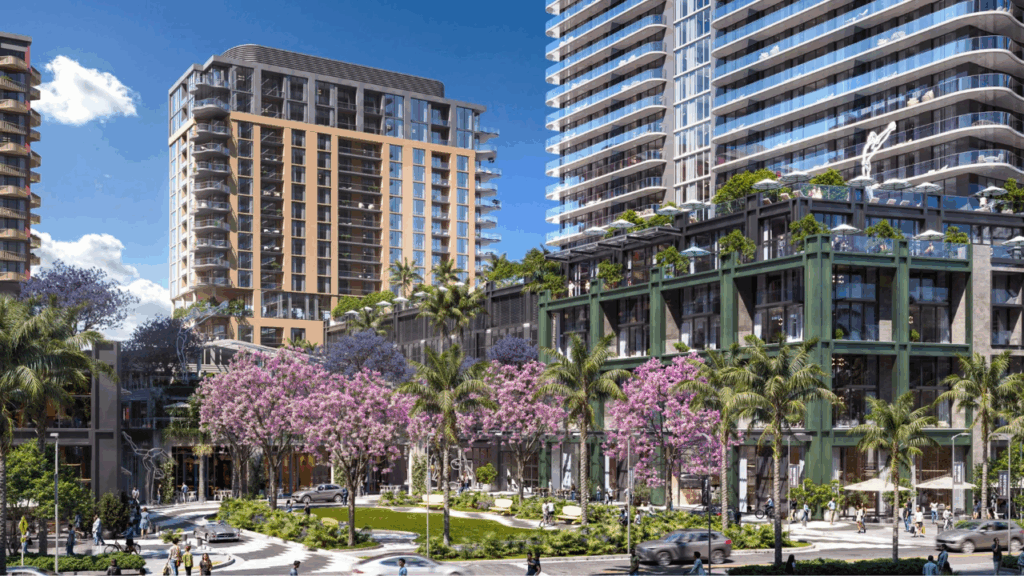
Aerial view of Midtown Park luxury development project between Wynwood and Design District in Miami Florida
Real Estate, Trading

The $2 Billion Bet on Miami: What Midtown Park Reveals About the Market’s Future

Miami has always been a city that builds forward, even when the market says pause. The latest proof is Midtown Park, a $2 billion development reshaping one of South Florida’s most dynamic neighborhoods. Led by Rosso Development, the project is transforming a five-acre area between Wynwood and the Design District into a destination for luxury living, business, and recreation. The plan includes hundreds of high-end condominiums, office space, restaurants, shopping, and a public racquet and padel club. The design connects the creative spirit of Wynwood with the upscale energy of the Design District, creating a neighborhood where people can live, work, and play. A Vision Years in the Making This project has been in the works for more than a decade. The land was once owned by Walmart, which proposed a large retail store. Local residents pushed back, wanting something that fit Midtown’s personality. Rosso Development listened, taking years to collaborate with neighbors to create a plan that prioritized livability and lifestyle. Residents had long asked for more outdoor areas, playgrounds, and open space. Midtown Park delivers those elements, combining residential convenience with community purpose. By balancing development with design that benefits families and young professionals, Rosso’s team has positioned the project as both profitable and people-focused. Navigating Market Challenges Rosso acknowledges that today’s real estate environment is not without obstacles. Immigration changes and tariffs have made buyers more cautious, while the cost of materials has risen. Even so, early sales have been strong, signaling continued confidence in Miami’s property market. Many of the buyers are international families investing with the future in mind. Parents sending their children to study at Florida International University or the University of Miami see Midtown Park as a safe, long-term investment. The logic is simple: if their children stay and work in Miami, they will already have a home base in a thriving area. Phased Construction and Smart Momentum Instead of waiting for perfect conditions, Rosso Development is taking a phased approach to construction. Phase one, located on the north side of the property, is already underway. On the south end, a public padel club will open early in the process to ensure the area stays active and welcoming. This approach helps avoid the appearance of an idle site and keeps the community engaged as the project evolves. Rosso said, “We made sure at no time is there a part of the project that’s empty or not activated.” That strategy creates momentum, builds trust with investors, and keeps interest strong among potential residents and commercial tenants. Blueprints for Building Smarter in a Shifting Market For agents, brokers, and investors, Midtown Park offers more than just a local success story. It highlights several takeaways that apply across markets: These points show why Miami remains one of the most resilient real estate markets in the country. It is not just about luxury towers and high prices. It is about vision, timing, and understanding what people actually want from where they live. The Power of Patience Rosso’s philosophy toward this project is rooted in patience and confidence. “We’ve had this site for 10 years,” he said. “We can have it for another 10 more years.” That long-term mindset is rare in an industry that often prioritizes speed. But in markets like Miami, where growth moves in cycles, patience is a competitive advantage. The phased approach ensures that progress never stalls completely, even when challenges arise. This level of discipline helps create a stronger foundation for investors and residents alike. Heimata Breakdown Midtown Park is more than a development project; it is a model for how to build responsibly in a city that continues to evolve. It shows that even large-scale ventures can maintain a sense of community and purpose when designed thoughtfully. For real estate professionals, this development serves as both inspiration and reminder. Success in today’s market is not just about speed or scale. It is about creating spaces that meet real needs, balancing ambition with authenticity, and knowing when to move forward and when to wait.🔗 Read the full story on: CBS Miami

Real Estate, Trading

Mike Selig’s Appointment to the Commodity Futures Trading Commission Could Have Major Implications for Real Estate

President Donald Trump has nominated Mike Selig to chair the Commodity Futures Trading Commission (CFTC), a key regulatory agency that oversees a wide range of financial markets. The nomination follows the unexpected withdrawal of Trump’s first pick, Brian Quintenz, who faced opposition from influential figures in the cryptocurrency world. Selig, currently the chief counsel for the SEC’s crypto task force, brings extensive expertise in financial markets and a passion for modernizing regulatory frameworks. With Congress considering legislation that would expand the CFTC’s authority over digital assets like Bitcoin and Ether, Selig’s leadership could signal a new era for the financial markets and potentially have profound implications for industries like real estate. The CFTC’s Role in Financial Markets The CFTC has historically regulated complex financial products such as derivatives, oil futures, and election betting markets. With Selig at the helm, the CFTC is set to play a larger role in overseeing the digital asset market, which is valued at nearly $4 trillion. This could be a game changer for both traditional and digital economies, as cryptocurrencies and blockchain technology continue to gain momentum. Real estate professionals, especially those in investment, development, and finance, should take note of these developments. As the CFTC looks to regulate digital currencies, its potential impact on financial systems could ripple into real estate transactions, particularly as digital currencies and blockchain technology become more integrated into property purchases, rentals, and investment strategies. Potential Shifts in Real Estate Investment Strategies The growing influence of cryptocurrencies and blockchain technology is already changing how real estate deals are structured. Some forward-thinking real estate investors are already accepting digital currencies as payment, while others are exploring blockchain for streamlining property transactions, title transfers, and smart contracts. As the CFTC gains authority over digital assets, more clarity on regulation will likely encourage wider adoption of cryptocurrencies in real estate. This could result in several changes for the industry: Leadership and Regulatory Change The nomination of Selig comes at a time when the regulatory landscape for digital assets is still evolving. With the CFTC poised to gain oversight over digital currencies, it’s clear that regulatory bodies are starting to take the digital economy seriously. This shift in policy could lead to more stability in the market, making it easier for businesses, including real estate firms, to navigate the integration of digital currencies into their operations. The CFTC’s expanding role also signals a broader trend toward modernization in financial regulations. This could lead to more consistent policies around cryptocurrency, making it easier for businesses to operate and invest in the digital space. Heimata Breakdown Mike Selig’s appointment to chair the CFTC marks an important moment in the evolution of digital asset regulation. As the CFTC gains authority over the cryptocurrency market, its impact will likely extend to industries like real estate, where digital currencies and blockchain technology are beginning to reshape traditional transactions. 🔗 Read the full article here: Daily Caller Join Our Newsletter for the Latest in Real Estate!

Inflation, Real Estate

September’s Inflation Slowdown Could Lead to More Favorable Conditions for Homebuyers and Investors

The inflation report for September finally dropped, nine days late due to the government shutdown, and it’s giving the market something to smile about. The U.S. The Bureau of Labor Statistics reported a 3.0% rise in consumer prices year over year, which was slightly below economists’ expectations and a small cool down from August’s 3.4%. At first glance, this may not seem like big news. However, for anyone watching the real estate market, agents, investors, developers, or homeowners, it is a signal worth paying attention to. Why? Because cooling inflation provides the Federal Reserve with more reason to continue cutting interest rates. What’s Happening Behind the Numbers Monthly prices rose just 0.3%, showing a small but significant easing. While tariffs and import costs continue to push prices higher, housing costs, one of the biggest inflation drivers, are starting to moderate. The Fed’s likely response? Another 0.25% rate cut next week, marking the second in a row. The last few years have been a rollercoaster for borrowing costs. From near-zero pandemic rates to the sharp increases that followed, buyers and investors have had to adjust their expectations. Now, we may be entering a period of gradual relief. The Ripple Effect of Inflation and Rate Cuts on Real Estate Lower inflation and rate cuts typically work together to revive real estate activity. Here’s how this scenario plays out: Still, the market isn’t out of the woods. Inflation is cooling, but it isn’t completely gone. The Fed’s 2% target remains a challenge, and rising costs for essentials like health care and insurance could still influence consumer confidence and spending power. A Note on Social Security and Spending Power Alongside the inflation report came an update for retirees: Social Security benefits will increase by 2.8% in 2026. While this is a small bump, rising Medicare premiums up over 11% next year  could quickly eat into those gains. For agents working with downsizing seniors or investors focusing on 55+ communities, these economic shifts could shape buying patterns. Heimata Breakdown This report shows the economy’s slow but steady progress toward balance. The real estate market thrives on predictability, and any sign that inflation is under control brings much-needed confidence back into lending and investing decisions. 🔗 Read the full article here: NPR.org Get Market Updates and Real Estate Tips Straight to Your Inbox

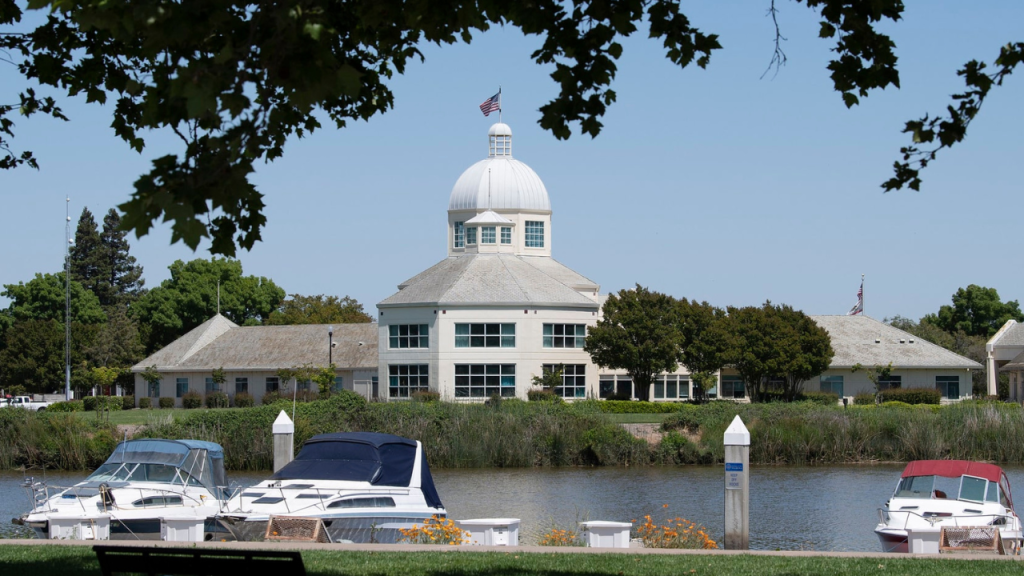
Expansion of Suisun City CA: Impact on Real Estate Development
Real Estate, Strategy

California Forever’s Expansion of Suisun City and Its Impact on Real Estate Development

After over a year of recalibration, California Forever has revealed its revised plan to build “America’s next great city” but with a twist. Rather than creating an entirely new city, the project now focuses on expanding Suisun City, a small town in Solano County struggling with budget deficits and limited growth. This move aims to build a vibrant, walkable community with neighborhoods for 400,000 residents, an entertainment district, and a manufacturing park. Shifting Strategy: From a New City to Suisun City Expansion Initially, California Forever sought to establish an entirely new city in Solano County, but the revised plan now integrates the project into the existing Suisun City. This change allows the developers to avoid the need for county-wide voter approval by instead working with the Suisun City Council and the Local Agency Formation Commission (LAFCO) for approval. This shift eases the approval process, but local opposition remains. Solano County’s smallest city by area, Suisun City has long been constrained by budget issues and limited growth opportunities. By bringing this expansion under the Suisun City framework, California Forever aims to revitalize the area while avoiding the legal and logistical hurdles that would accompany creating a new city from scratch. Ambitious Plans for Housing, Jobs, and Manufacturing The expansion will include the construction of 175,000 homes, prioritizing family-sized units over rentals. California Forever has emphasized creating a “real city” rather than a “bedroom community” by incorporating a variety of housing types, from small parcel developments to walkable neighborhoods. In addition to residential areas, the plan includes a shipyard in Collinsville and an enormous manufacturing district making it one of the largest industrial parks in America. Sramek’s vision aims to blend jobs, shops, and entertainment with nature, creating a balanced, thriving city. The entertainment district will be inspired by major urban centers like  New York’s Meatpacking District and Chicago’s Fulton Market. Rather than relying on large apartment complexes, the plan calls for a smaller-scale fabric of development, encouraging mixed-use neighborhoods with community-driven design. Local Support and Opposition: The Road to Approval While the Suisun City Council has expressed support for the plan, including approval of the application, there are significant hurdles ahead. The project faces opposition from well-organized local groups who argue the development violates long-established land-use policies in Solano County. Former Solano County Supervisor Duane Kromm has noted that the LAFCO review will be a “deep dive,” emphasizing that this approval process will not be a formality. One of the main concerns from opponents is the potential for the developers to use special legislation to bypass local control. Additionally, environmental reviews and public hearings will play a crucial role in determining whether this project will move forward. A 40-Year Vision for Solano County’s Future If approved, California Forever’s plan will unfold over 40 years. Sramek has emphasized that the goal is not just to build homes, but to create a fully integrated community with employment opportunities, recreational spaces, and a sustainable environment. Suisun City, once constrained by its geographical limitations, would become a dynamic hub of growth and innovation. The project’s phased approach could transform Suisun into a vibrant metropolis, one that combines industry and residential life in a way that is rare in California’s current urban landscape. Heimata Breakdown California Forever’s decision to expand Suisun City instead of creating a new metropolis reflects a more grounded vision of growth. The plan acknowledges that innovation does not always mean starting anew but can instead come from reinvesting in existing communities, strengthening their foundations, and creating opportunities where people already live and work. 🔗 Read the full article here: San Francisco Chronicles Stay Informed on the Latest Real Estate Trends

Builder Sentiment: Impact On Real Estate Pricing and Demand
Real Estate

A Shift in Builder Sentiment: How This Could Impact Real Estate Pricing and Demand

After two years of uncertainty, there’s a fresh spark of optimism in the housing market. The latest report from the National Association of Home Builders (NAHB) shows a marked improvement in builder sentiment, sending positive signals for the broader economy. But what does this mean for real estate professionals, investors, and homebuyers? In October, the NAHB/Wells Fargo Housing Market Index rose by five points to 37, marking the highest level since April. While still below the 50-point threshold (which indicates more pessimism than optimism), the surge represents the biggest month-over-month improvement since January 2024. This rise offers a hopeful signal for the housing market amidst the government shutdown, which has delayed key construction reports. The Impact of the Government Shutdown on Housing Data With the Census Bureau halting its housing construction reports due to the shutdown, the NAHB’s index has become a vital indicator of market trends. According to Robert Dietz, the NAHB’s chief economist, the increase in builder sentiment is likely to reflect a 3% rise in single-family permits for September. Although this remains a forecast, the data helps fill the gap created by the lack of government statistics. Why Builders Are Feeling More Optimistic One key factor behind this improvement is the recent cut in interest rates by the Federal Reserve. In September, the Fed lowered rates for the first time since December 2024, and mortgage rates have since dropped from 6.5% to 6.3%. This decline in borrowing costs is improving homebuyer affordability, which, in turn, boosts builder confidence. Despite ongoing labor shortages and high construction costs, builders are cautiously optimistic that these lower rates will bring more buyers into the market. This shift in sentiment may help jumpstart new construction projects and stabilize home prices after a period of uncertainty. The Road Ahead: Challenges Remain While builder sentiment is rising, several challenges remain. High construction costs and labor shortages continue to affect production, and nearly 38% of builders are still offering discounts to close deals. The average discount in October was 6%, up from 5% in previous months, suggesting that buyers are still sensitive to financing costs. However, as mortgage rates continue to decline, builders are hopeful that more buyers will return to the market, sparking a more sustained recovery in the housing sector. A Slow but Steady Recovery While the October surge in builder confidence is encouraging, it’s important to manage expectations. The road to recovery may be gradual, as challenges like rising construction costs and labor shortages remain. However, if the Fed continues to lower rates, builders are likely to see increased demand, which will boost new construction and job growth. Heimata Breakdown For agents, investors, and developers, this rise in builder confidence is a key indicator to track. When builders feel optimistic, it’s often a precursor to shifts in market conditions, giving a glimpse into future trends for pricing, construction activity, and buyer demand. 🔗 Read the full article here: Forbes Get the Latest Real Estate Insights Delivered to You

Scroll to Top